Army Ranger Workout Plan: A Comprehensive Guide
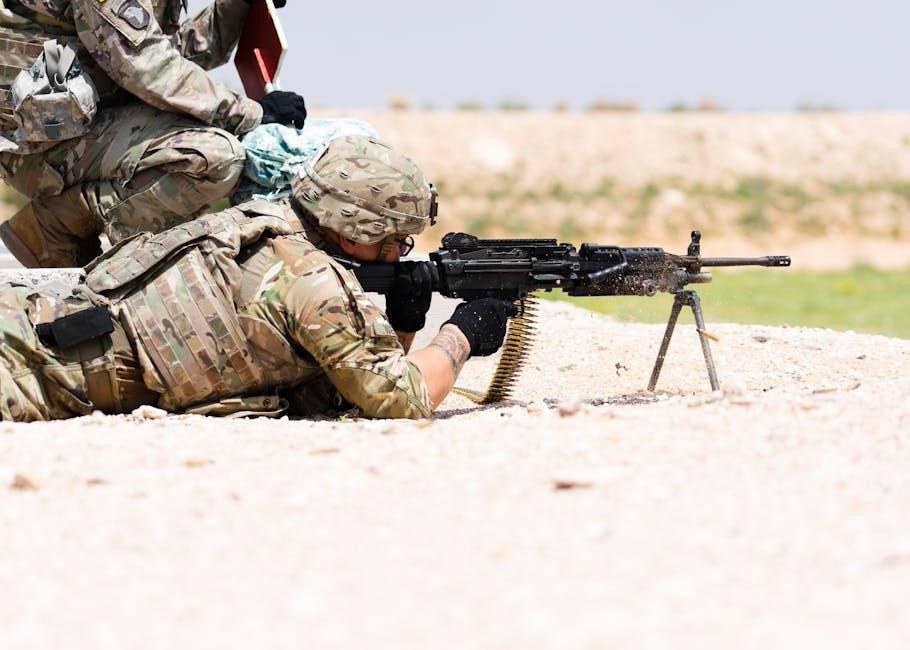
Embarking on the path to become a Ranger demands rigorous preparation. This comprehensive plan, informed by seasoned veterans, focuses on building the endurance, strength, and mental fortitude necessary to succeed.
Utilizing resources like The Military Athlete’s operator and Ranger School Prep workouts is highly recommended. Prioritize consistency, injury prevention, and finding a reliable workout partner for sustained motivation.
Understanding the Ranger Physical Fitness Test (RPFT)
The Ranger Physical Fitness Test (RPFT) serves as the initial gatekeeper to Ranger School, demanding a high level of physical prowess. While fundamentally similar to the Army Physical Fitness Test (APFT), the RPFT introduces key distinctions that necessitate focused training. It’s not merely about passing; it’s about exceeding standards to conserve energy for the grueling demands of the school itself.
Currently, as of May 4th, 2026, the RPFT comprises push-ups, sit-ups, a 5-mile run, and crucially, 6 chin-ups. However, the emphasis isn’t solely on quantity. Graders are known to employ tactics to assess true endurance and technique – counting only every third push-up, or repeating a specific rep count to induce fatigue. Mastering proper form, particularly for push-ups (aiming for 70 slow, controlled repetitions), is paramount.
The RPFT isn’t designed to be insurmountable, but it’s intentionally challenging. It’s a predictor of a candidate’s ability to withstand the sustained physical stress of Ranger training. Preparation should therefore prioritize not just building strength and endurance, but also developing the mental resilience to perform under pressure and fatigue.
RPFT Standards & Benchmarks (as of 05/04/2026)
As of today, May 4th, 2026, achieving the minimum passing score on the Ranger Physical Fitness Test (RPFT) is only the first step. Successful candidates significantly exceed these benchmarks to build a buffer for the intense physical demands of Ranger School. Understanding these standards is crucial for targeted training.
Specifically, the RPFT requires: a minimum of 70 push-ups (performed with strict form, often scrutinized by graders), a minimum of 6 chin-ups (a common point of failure for many candidates), a minimum of 60 sit-ups within two minutes, and a 5-mile run completed in under 31 minutes. However, aiming for 80+ push-ups, 10+ chin-ups, 70+ sit-ups, and a sub-28 minute 5-mile run is highly recommended.
A benchmark of being able to bench press 120lbs is considered a starting point, indicating a base level of upper body strength. Candidates should strive to increase this significantly. Remember, the RPFT isn’t just about raw strength; it’s about muscular endurance and the ability to maintain performance under fatigue. Consistent, progressive overload is key to achieving these benchmarks and preparing for the challenges ahead.
Phase 1: Building a Foundation (8-12 Weeks)
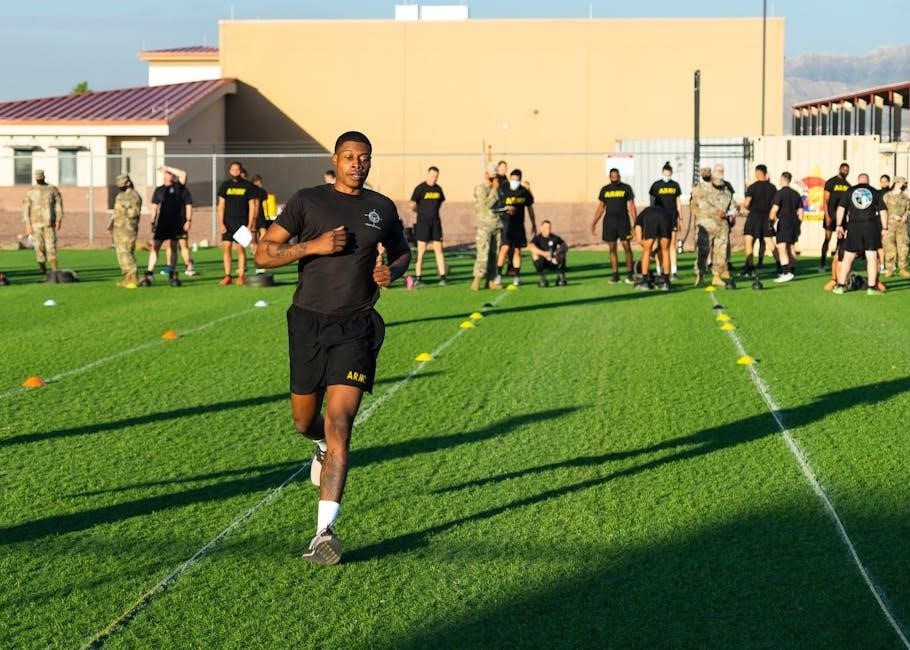
This initial phase prioritizes establishing a solid base of cardiovascular fitness and strength. Focus on consistent workouts, proper form, and gradually increasing intensity to avoid injury and build endurance.
Cardiovascular Endurance Training
Developing exceptional cardiovascular endurance is paramount for Ranger success. Begin with a base-building phase, incorporating 3-4 runs per week, gradually increasing distance. Focus on consistent pacing and building mileage before introducing speed work. Include long, slow distance runs (LSD) to improve aerobic capacity, alongside interval training to enhance speed and stamina.
Interval training should consist of high-intensity bursts followed by recovery periods. For example, sprint 400 meters, then jog 400 meters, repeating this cycle 6-8 times. Gradually increase the number of repetitions or the sprint distance. Don’t neglect the 5-mile run, a critical component of the RPFT; practice it regularly, aiming to improve your time consistently.
Supplement running with cross-training activities like swimming or cycling to reduce impact on joints and work different muscle groups. Remember to listen to your body and incorporate rest days to prevent overtraining. As you progress, integrate rucking into your cardio routine, starting with lighter loads and gradually increasing weight and distance. This prepares you for the demands of carrying a heavy pack during Ranger School.
Strength Training – Upper Body Focus
A robust upper body is crucial for conquering obstacles and performing demanding tasks. Prioritize exercises that build pushing and pulling strength, mirroring the demands of the RPFT and Ranger School. Push-ups are foundational; aim for high volume, focusing on perfect form – slow, controlled movements. Progress beyond standard push-ups with variations like diamond push-ups and incline/decline push-ups to target different muscle groups.
Chin-ups are equally vital. If you cannot perform unassisted chin-ups, begin with negative chin-ups (slowly lowering yourself from the top position) or assisted chin-ups using resistance bands. Gradually decrease assistance as your strength improves. Supplement these with exercises like bench press, overhead press, and dumbbell rows to build overall upper body strength and muscle mass.
Focus on compound movements that engage multiple muscle groups simultaneously. Incorporate 3-4 upper body strength training sessions per week, allowing for adequate recovery between workouts. Remember, the goal isn’t just to lift heavy weight, but to build functional strength and endurance, preparing your upper body for sustained exertion.
Strength Training – Lower Body & Core Focus
Strong legs and a stable core are the engine and stabilizer for all Ranger tasks, especially rucking. Prioritize exercises that build lower body power and endurance, alongside a rock-solid core. Squats are fundamental – master bodyweight squats before progressing to weighted variations like back squats and front squats. Lunges, both forward and reverse, are excellent for building unilateral strength and stability.
Incorporate deadlifts to build overall posterior chain strength. Hamstring curls and leg extensions further target key muscle groups. Don’t neglect calf raises for ankle stability, crucial during rucking. Core work should be a daily habit, including planks (various variations), Russian twists, and leg raises.
Aim for 2-3 lower body and core focused sessions per week. Focus on proper form to prevent injuries. Remember, a strong core isn’t just about aesthetics; it’s about protecting your spine and transferring power efficiently during physically demanding activities. Build a foundation of strength and endurance to withstand the rigors of Ranger training.
Rucking is arguably the most defining physical challenge of Ranger School, and early introduction is vital. Begin with a focus on building work capacity and proper technique, not maximal weight. Start with a light load – initially, just the ruck itself (around 5-10 lbs) – and gradually increase the weight over weeks, never exceeding 55lbs during this introductory phase.
Focus on distance over speed. Begin with 3-5 mile rucks at a conversational pace. Pay close attention to your posture: maintain a straight back, engage your core, and avoid excessive swaying. Proper footwear is crucial; well-broken-in boots are essential to prevent blisters. Hydrate consistently before, during, and after each ruck march.
Incorporate one ruck march per week initially, gradually increasing to two. Listen to your body and don’t push through significant pain. This phase is about building a base; avoid “destroying your knees” with overly heavy loads too soon. Prioritize consistent, manageable rucks to build endurance and prepare your body for heavier loads later.

Phase 2: Increasing Intensity (6-8 Weeks)
Now is the time to elevate your training. Focus on advanced cardio, push-up/chin-up mastery, and progressively heavier rucks, building upon the foundation established in Phase 1.
Advanced Cardiovascular Training (Intervals & Distance)
This phase demands a significant increase in cardiovascular workload. Transition beyond steady-state running to incorporate high-intensity interval training (HIIT) alongside longer distance runs. HIIT sessions should alternate between maximal effort sprints and recovery jogs, improving both speed and anaerobic capacity. For example, try 8 rounds of 400-meter sprints with equal recovery time.
Distance runs should gradually increase in length, aiming to comfortably complete runs of 6-8 miles. These longer runs build endurance and prepare your body for the demands of extended rucking and the 5-mile run component of the RPFT. Incorporate varied terrain – hills, trails, and roads – to challenge different muscle groups and improve overall conditioning.
Remember to listen to your body and prioritize recovery. Overtraining can lead to injury and hinder progress. Alternate hard interval sessions with easier recovery runs. Proper hydration and nutrition are also crucial for supporting increased training volume. Consider incorporating cross-training activities like swimming or cycling to reduce impact and promote active recovery.
Push-Up Mastery (Technique & Volume)
The push-up is arguably the most critical exercise in Ranger preparation. Achieving a high volume of perfect form push-ups is paramount. Graders are known to scrutinize technique, potentially counting only every third repetition or employing other disruptive methods. Focus on maintaining a straight body line from head to heels, a full range of motion, and controlled movements.
Begin by establishing a solid foundation of proper form. Gradually increase volume through progressive overload. Aim to consistently perform sets of 20-30 push-ups with impeccable technique. Then, progress to higher repetitions and multiple sets throughout the day. Incorporate variations like diamond push-ups and wide-grip push-ups to target different muscle groups.
Don’t neglect slow negatives. Lowering yourself slowly emphasizes eccentric strength, crucial for endurance. Remember, the goal isn’t just quantity, but the ability to perform 70 flawless push-ups. Consistent practice and attention to detail will build the necessary strength and stamina.
Chin-Up Progression (Negative & Assisted)
Mastering the chin-up is essential, as the RPFT requires a minimum of six repetitions. Many candidates struggle with this exercise, making a strategic progression vital. If you cannot perform a full chin-up, begin with negative repetitions. Jump to the top position (chin over the bar) and slowly lower yourself down, controlling the descent as much as possible. This builds the necessary strength for the upward pull.
Assisted chin-ups are another effective method. Utilize resistance bands looped around the bar and your feet to provide assistance, gradually reducing the band’s resistance as your strength increases. Focus on maintaining proper form – a full range of motion and controlled movements. Avoid swinging or using momentum.
Supplement these exercises with grip strength training. A strong grip is crucial for maintaining control throughout the repetitions. Consistent practice, combined with a focus on technique, will significantly improve your chin-up performance and prepare you for the demands of Ranger School.
Ruck March Progression (Weight & Distance)
Ruck marching is a cornerstone of Ranger training, demanding gradual adaptation to both weight and distance. Initially, focus on lighter loads – no more than 55lbs – and shorter distances, up to 8 miles per week. This builds a foundational level of endurance and minimizes the risk of injury. Avoid immediately increasing weight; prioritize consistent weekly mileage.
Progressively increase both weight and distance incrementally. Add 5-10lbs to your ruck each week, or extend the distance by a mile. Listen to your body and avoid pushing through significant pain. Remember, destroying your knees early in the training process is counterproductive.
In the weeks leading up to Ranger School, simulate the demands of the course. Incorporate longer, heavier rucks, potentially exceeding the 55lb limit, to prepare for the sustained physical stress. Focus on maintaining a consistent pace and proper form throughout the march. Proper footwear and sock selection are also critical for blister prevention.
Phase 3: Ranger School Specific Preparation (4-6 Weeks)
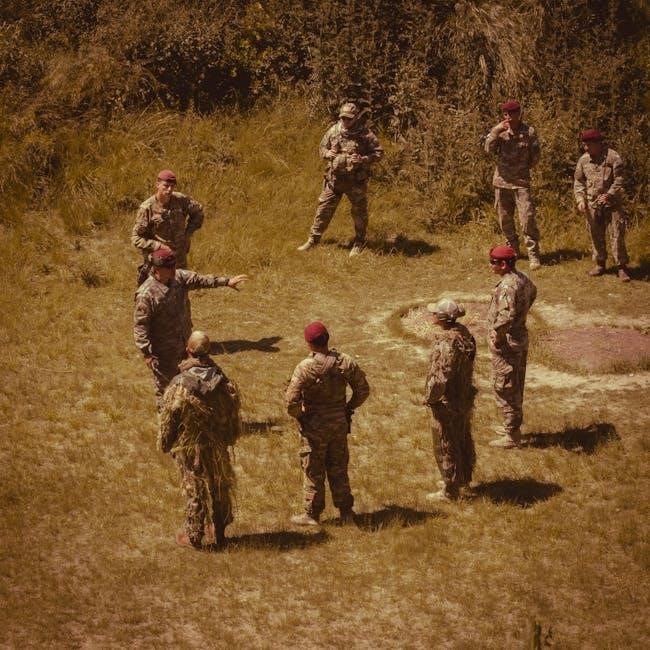
This final phase intensifies training, mirroring Ranger School’s demands. Integrate Military Athlete’s Ranger Prep workouts, emphasizing high-volume calisthenics, heavy rucking, and combined endurance challenges for peak readiness.
Military Athlete Ranger School Prep Workout Integration
Transitioning to The Military Athlete’s Ranger School Prep workout, costing approximately $75, is crucial during these final weeks. This program isn’t merely about increasing volume; it’s about building specific durability and endurance tailored to the unique stressors of Ranger School. It’s designed to simulate the relentless physical demands you’ll encounter, preparing both your body and mind.
The integration should be seamless, building upon the foundation established in Phases 1 and 2. Expect a significant increase in push-up and chin-up volume, alongside progressively heavier ruck marches. The program strategically combines these elements, forcing your body to adapt to fatigue and maintain performance under duress. Focus on proper form, even as exhaustion sets in – sloppy technique will only lead to injury.
Prioritize consistency and listen to your body. While pushing through discomfort is essential, ignoring genuine pain is detrimental. This isn’t about proving mental toughness through injury; it’s about smart training and calculated risk. The Military Athlete program provides a structured approach, but feel free to adjust based on your individual needs and recovery rate. Remember, arriving at Ranger School healthy and prepared is far more valuable than arriving injured and “tough.”
High-Volume Push-Up & Chin-Up Training
Mastering push-ups and chin-ups is paramount, as these exercises are heavily emphasized during the Ranger Physical Fitness Test (RPFT) and throughout Ranger School. Aim for the ability to perform 70 perfect, slow-controlled push-ups – graders are known to employ various counting methods, including only counting every third repetition or repeating numbers seemingly at random, to test your mental fortitude.
High-volume training isn’t simply about maximizing repetitions; it’s about building muscular endurance and perfecting technique under fatigue. Incorporate sets to failure, pyramids, and varied hand placements to challenge different muscle groups. For chin-ups, focus on progressive overload, utilizing negative repetitions and assisted variations if needed to increase volume.
Consistency is key. Dedicate specific training sessions solely to upper body work, gradually increasing the number of sets and repetitions each week. Remember, the goal isn’t just to complete the required number of reps, but to maintain proper form throughout. This will translate directly to improved performance during the RPFT and the grueling physical challenges of Ranger School.
Heavy Ruck March Simulation
As you approach the final weeks of preparation, simulating the demands of a heavy ruck march becomes crucial. While consistent rucking with lighter loads (under 55lbs) builds a foundational level of endurance, preparing for the significant weight carried during Ranger School requires a dedicated phase of heavier simulations.
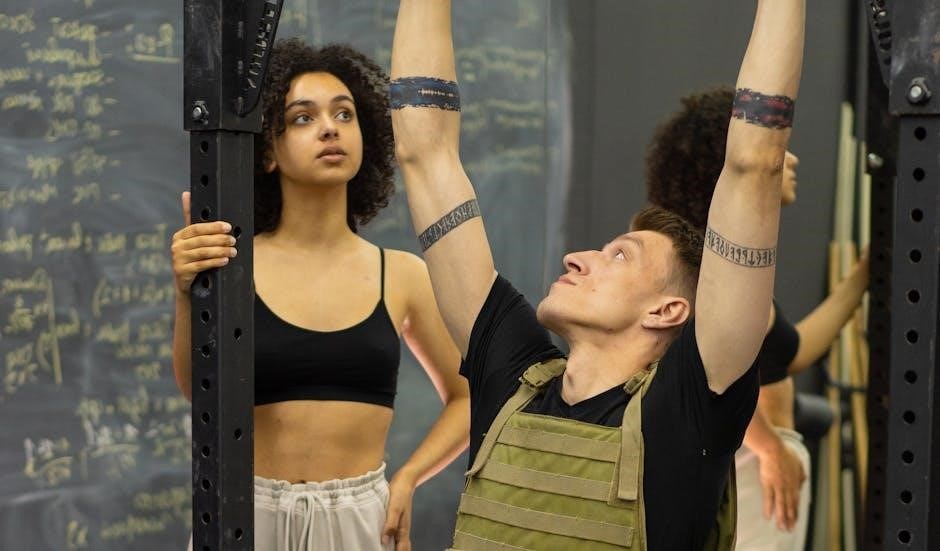
Gradually increase the weight in your ruck, focusing on maintaining proper form and pacing. Avoid excessively heavy loads early in this phase to prevent knee injuries – a common pitfall. Prioritize distance over speed, aiming to complete extended marches with a challenging, but sustainable, weight.
Incorporate varied terrain into your simulations, mimicking the hilly and uneven landscapes encountered in Ranger School. Practice navigating with a map and compass while under load, and focus on maintaining situational awareness. Remember, the goal isn’t just physical endurance, but the ability to function effectively while fatigued and carrying a substantial weight. This phase prepares you for the relentless demands of the course.
Endurance Training – Combining Rucking & Running
The Ranger course relentlessly tests both your cardiovascular and muscular endurance. To effectively prepare, integrate training sessions that combine the demands of rucking and running, mirroring the unpredictable nature of the school’s physical challenges. This isn’t simply about completing separate workouts; it’s about building the capacity to transition seamlessly between the two.

Implement workouts that involve a sustained ruck march immediately followed by a timed run. Start with shorter distances and gradually increase both the ruck weight and the run distance. Another effective method is to incorporate intervals of running during a ruck march – for example, running for 100 meters every mile.
Focus on maintaining proper form throughout these combined workouts, even as fatigue sets in. This will help prevent injuries and ensure you’re building genuine endurance, not just masking weaknesses. Remember, the ability to push through exhaustion while carrying a heavy load and then transition to running is a key indicator of Ranger readiness.
Nutrition & Recovery
Optimal performance hinges on fueling your body correctly and prioritizing recovery. Adequate sleep, strategic nutrition, and proactive injury management are crucial components of a successful Ranger preparation plan.
Optimal Nutrition for Ranger Training
Fueling for intense physical demands requires a strategic nutritional approach. Prioritize a diet rich in complex carbohydrates – think sweet potatoes, brown rice, and oats – to sustain energy levels throughout grueling workouts and extended rucks. Lean protein sources, such as chicken, fish, and beans, are essential for muscle repair and recovery, combating the breakdown experienced during high-intensity training.
Don’t underestimate the power of healthy fats. Avocados, nuts, and olive oil provide sustained energy and support hormone production. Hydration is paramount; consistently drink water throughout the day, especially before, during, and after training. Electrolyte replenishment is also vital, particularly during prolonged exertion and in hot weather, to prevent cramping and maintain optimal performance.
Consider supplementing with a multivitamin to address potential nutrient deficiencies. Avoid processed foods, sugary drinks, and excessive saturated fats, as these can hinder recovery and negatively impact performance. Focus on whole, unprocessed foods to maximize nutrient intake and support your body’s ability to adapt to the demands of Ranger training. Consistent, mindful eating is as crucial as the workouts themselves.
Importance of Sleep & Active Recovery
Recovery is not merely the absence of training; it’s an active process crucial for adaptation and preventing injury. Aim for 7-9 hours of quality sleep each night. Sleep deprivation significantly impairs performance, increases cortisol levels, and hinders muscle recovery. Prioritize a consistent sleep schedule, creating a dark, quiet, and cool sleep environment.
Active recovery, such as light walking, stretching, or foam rolling, promotes blood flow and reduces muscle soreness. Avoid the misconception that pushing through pain builds mental toughness; it often leads to more significant injuries. Listen to your body and address discomfort promptly. Incorporate rest days into your training schedule, allowing your muscles time to rebuild and repair.
Strategic deload weeks, reducing training volume and intensity, can prevent overtraining and promote long-term progress. Proper nutrition, as discussed previously, also plays a vital role in recovery. Prioritizing both sleep and active recovery is just as important as the intensity of your workouts, ensuring you arrive at Ranger School physically and mentally prepared.
Injury Prevention & Management
Proactive injury prevention is paramount throughout your Ranger preparation. Focus on proper form during all exercises, especially during high-repetition movements like push-ups and rucking. Gradually increase training volume and intensity to allow your body to adapt. Incorporate dynamic stretching before workouts and static stretching afterward to improve flexibility and range of motion.

Strengthen supporting muscles to enhance joint stability and reduce the risk of injury. Pay particular attention to core strength, as it’s fundamental for maintaining proper posture during rucking and other physically demanding tasks. Don’t ignore early warning signs of injury, such as persistent pain or swelling.
If injured, immediately stop the aggravating activity and seek appropriate medical attention. Resist the urge to “push through” pain, as this can exacerbate the injury and prolong recovery. Prioritize healing and rehabilitation before resuming training. Returning too soon can lead to re-injury and derail your preparation. Remember, addressing injuries promptly is crucial for long-term success.
Mental Preparation
Cultivate unwavering mental toughness; Ranger School tests limits. Don’t overthink the course—focus on consistent training and trust your preparation. Embrace discomfort and anticipate challenges.
Developing Mental Toughness
Mental fortitude is paramount at Ranger School, often exceeding the physical demands. The ability to persevere through extreme fatigue, sleep deprivation, and constant stress is crucial for success. Don’t fall into the trap of believing that pushing through injury builds mental toughness; it’s counterproductive and risks long-term damage.
Instead, focus on consistent, smart training. Understand the difference between legitimate pain – muscle soreness – and injury. Pushing through a genuine injury will only exacerbate the problem and hinder your progress. Ranger School will push you to your breaking point, and that’s where mental resilience is truly tested.
Avoid excessive worry or anxiety leading up to the course. Trust in the preparation you’ve undertaken. Visualize success, but also mentally prepare for setbacks. Accept that there will be moments of doubt and discomfort, and develop strategies to overcome them. Remember, the goal isn’t to eliminate fear, but to function effectively despite it.
Focus on controlling the controllable: your effort, your attitude, and your adherence to the plan. Don’t dwell on things you cannot change. A positive mindset, coupled with realistic expectations, will significantly enhance your ability to endure the challenges ahead.
Pre-Ranger Course Considerations
Attending a Pre-Ranger Course (PRC) is highly recommended, especially for those not currently serving in an infantry role. Many divisions mandate PRC attendance before allowing soldiers to attend Ranger School, ensuring a baseline level of preparedness. These courses provide valuable instruction and practical experience, familiarizing you with essential skills and techniques.
Don’t underestimate the value of a structured training plan. A ten-month preparation timeline is realistic, allowing ample time to build the necessary physical and mental strength. Begin with a CrossFit-style program, such as those offered by The Military Athlete, focusing on durability and endurance. Supplement this with weekly ruck marches, gradually increasing weight and distance – initially capping at 8 miles with 55lbs to protect your knees.
Reserve heavier rucks for the final weeks leading up to school. Seven weeks out, transition to The Military Athlete’s Ranger School Prep workout for a focused and intense training regimen. Prioritize injury prevention; if injured, cease training and allow for complete healing. Remember, pushing through pain doesn’t demonstrate toughness, it invites setbacks.