Cell biology explores the structure, function, and behavior of cells. Recent studies highlight the p53 gene’s role in cancer, stem cell research collaborations, and aging biology advancements. Educational resources like CBSE and ISC syllabi provide students with comprehensive learning materials to master this dynamic field.
Overview of Cell Biology
Cell biology, the study of life at its most fundamental level, investigates the structure, function, and behavior of cells. Cells are the basic units of life, and their intricate activities drive all biological processes. Recent advancements in cell biology, such as understanding DNA repair mechanisms and cell signaling pathways, have revolutionized our knowledge. These insights are crucial for addressing diseases, aging, and developmental biology. Cell biology also bridges disciplines like genetics and immunology, offering a holistic view of life processes. Its applications span medicine, biotechnology, and evolutionary studies, making it a cornerstone of modern scientific research.
Structure and Function of Cells
Cells, the fundamental units of life, exhibit intricate structures that enable their essential functions. The cell membrane regulates,,。、。。,,。。

Cellular Processes and Mechanisms
Cellular processes and mechanisms involve the cell cycle, DNA repair, apoptosis, and signaling, ensuring organism health by responding to stress or damage. These processes are crucial for maintaining cellular function and addressing threats like oxidative stress or pathogens. Recent advancements highlight the role of the p53 gene in regulating cell-cycle arrest and apoptosis following DNA damage, underscoring its importance in preventing cancerous mutations.
Cell Cycle and Division
The cell cycle consists of four phases: G1, S, G2, and M, ensuring proper cell growth, DNA replication, and division. Checkpoints regulate progression, preventing errors. Cyclin-dependent kinases, such as cdc2, drive transitions. Proper cell cycle control is critical for eliminating damaged cells and preventing genomic instability, which can lead to cancer. When disrupted, these mechanisms contribute to uncontrolled cell division and disease.
Cell Signaling and Communication
Cell signaling is essential for communication between cells, enabling processes like growth regulation, immune responses, and tissue repair. Cells use various signaling pathways involving receptors, ligands, and intracellular messengers to transmit signals. Proper signaling ensures coordinated responses to external and internal cues. Disruptions in signaling pathways can lead to diseases like cancer or autoimmune disorders. For example, receptor proteins initiate signaling cascades critical for cell survival, differentiation, and proliferation. Signaling mechanisms include paracrine, autocrine, and endocrine communication, ensuring cells adapt to their environment and maintain homeostasis.
Genetics and Cell Biology
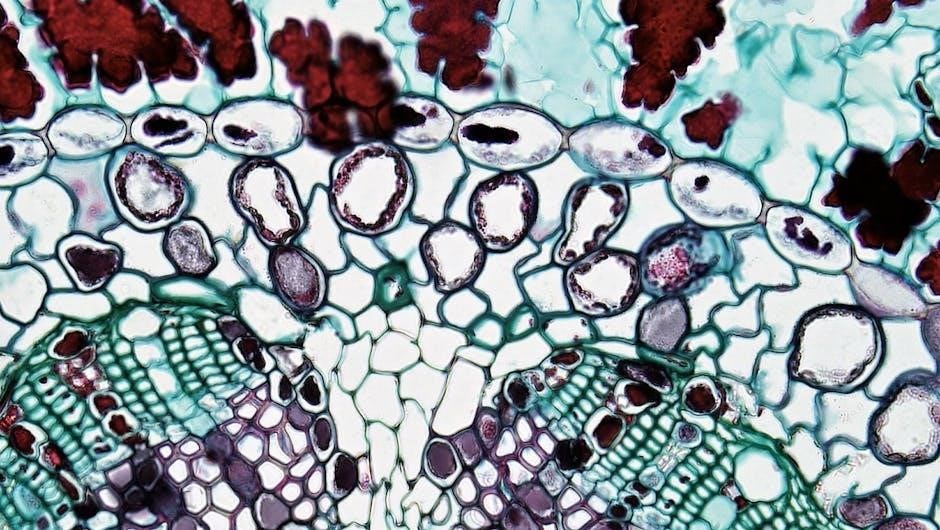
Genetics is a cornerstone of cell biology, studying DNA, RNA, and protein interactions. Understanding gene expression and regulation is crucial for exploring genetic mutations and their impact on cellular function. Advances in genome sequencing and CRISPR technology have revolutionized the study of hereditary diseases and personalized medicine.
Cellular Genetics
Cellular genetics examines how genetic material, DNA, dictates cellular structure and function. DNA’s double helix contains genes that regulate protein synthesis, ensuring cells perform specialized roles. Mutations in DNA can disrupt normal processes, leading to diseases like cancer. Recent research highlights the p53 gene’s role in controlling cell cycle arrest and preventing tumor formation. Advances in stem cell biology and genome editing are revolutionizing personalized treatments and our understanding of genetic disorders and health.
Epigenetics and Gene Regulation
Epigenetics studies how gene expression is regulated without altering DNA sequence. Mechanisms like DNA methylation and histone modification influence gene activity, impacting cell differentiation and disease development. Emerging research highlights how environmental factors shape epigenetic marks, affecting both health and aging. Breakthroughs in gene editing tools now enable targeted epigenetic modifications, opening new avenues for treating genetic disorders and understanding complex biological processes. Recent advancements emphasize the role of chromatin remodeling in maintaining cellular identity and responding to cellular stress, further elucidating the dynamic nature of gene regulation.
Cellular Defense and Response
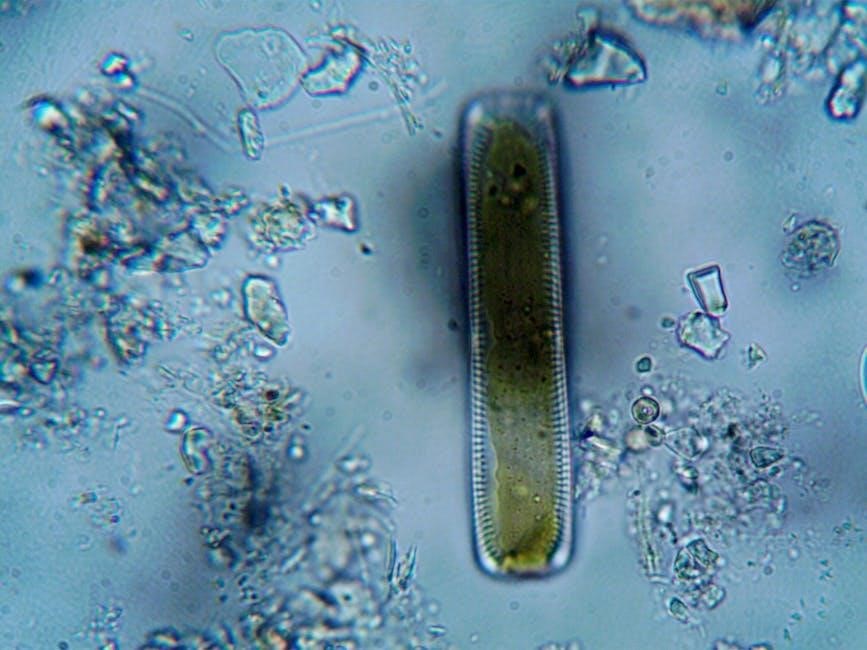
Cells protect themselves through mechanisms like the p53 gene, which triggers cell-cycle arrest or apoptosis in response to DNA damage. Studies reveal how immune cells recognize and neutralize pathogens, highlighting the intricate balance of cellular defense systems.
The p53 Gene and Cancer
The p53 gene, often called the “guardian of the genome,” is crucial for maintaining genomic stability. It regulates cell-cycle arrest and apoptosis in response to DNA damage. Mutation of p53 is common in cancers, leading to unchecked cell proliferation. Recent studies highlight its role in therapies targeting cancer cell survival, emphasizing its importance in oncology research and treatment development.
Immune Cell Biology
Immune cell biology focuses on the specialized cells and mechanisms that protect the body from pathogens and harmful substances. These include lymphocytes, macrophages, and dendritic cells, which play critical roles in recognizing and neutralizing threats. Recent advancements highlight the importance of dendritic cells in triggering immune responses and their interaction with T cells, enhancing our understanding of how the immune system maintains health and combats diseases. Research in immune cell biology continues to provide insights into immunotherapy and vaccines, revolutionizing medical treatments and preventive strategies.

Specialized Cells and Tissues
Specialized cells and tissues, such as stem cells and neural tissues, play vital roles in organism function. Recent advancements in developmental biology and stem cell research advance our understanding of their roles in multicellularity and evolution.
Stem Cell Biology
Stem cells are undifferentiated cells with the unique ability to self-renew and differentiate into specialized cell types. Recent advancements in this field include collaborative efforts by the International Society for Stem Cell Research (ISSCR), the Society for Developmental Biology (SDB), and the Allen Institute. These collaborations focus on a three-day scientific conference, highlighting groundbreaking research in the biology of cell rejuvenation. Additionally, biotechnology companies like Shift are uncovering mechanisms to end aging-related morbidity, emphasizing the potential of stem cells in regenerative medicine and disease modeling.
Neural Cell Biology
Neural cell biology focuses on the structure, function, and development of nervous system cells, including neurons and glial cells. Recent research highlights how multicellularity in metazoans evolved, captivating developmental biologists. Collaborative efforts in stem cell research and regenerative medicine underscore advancements in understanding neural cell behavior. Insights from genome sequencing and phylogenetic comparisons shed light on neural complexity throughout evolution, while studies on aging reveal potential frameworks to combat neurodegenerative diseases. These findings collectively enhance our understanding of neural systems and their roles in health and disease.

Cell Biology in Development and Evolution
Cell biology underpins metazoan multicellularity evolution, with genome sequencing aiding phylogenetic insights. Recent research bridges developmental biology and evolutionary processes, enhancing understanding of life’s complexity and diversity.
Cell Biology in Evolution
Cell biology provides insights into evolutionary processes, particularly the emergence of multicellularity in metazoans. By studying genome sequencing and phylogenetic comparisons, scientists uncover how cellular mechanisms drove evolutionary innovations. Recent advancements highlight the role of stem cells and developmental biology in shaping evolutionary lineages, bridging cellular function with evolutionary history. This interdisciplinary field continues to illuminate the evolutionary origins of complex life.
Developmental Cell Biology
Developmental cell biology investigates how cells coordinate to form tissues, organs, and organisms during growth and differentiation. Recent studies emphasize genome sequencing and phylogenetic comparisons to understand evolutionary and cellular mechanisms. Stem cell research collaborations highlight innovation in regenerative medicine, while advances in biotechnology offer new insights into the biology of aging and rejuvenation. These breakthroughs are reshaping our understanding of life’s development from single cells to complex organisms.

Cell Biology in Disease and Aging
Cell biology investigates how diseases arise from cellular dysfunction. In aging, mechanisms like tissue repair and regeneration are explored. Recent studies focus on the biology of aging and rejuvenation, offering insights into combating age-related diseases through innovative treatments and technologies.
Cancer Biology
Cancer biology explores the molecular mechanisms driving uncontrolled cell growth and tumor formation. Research focuses on how genetic mutations, particularly involving the p53 gene, disrupt normal cell cycle regulation. Altered cell signaling pathways, such as MAPK and PI3K/AKT, contribute to cancer progression, making them targets for therapeutic interventions. Epigenetic changes, including DNA methylation and histone modifications, also play a role in gene regulation and cancer development. Recent advancements leverage stem cell research and developmental biology principles, shedding light on cancer’s origins and offering new avenues for personalized treatments. Emerging technologies and collaborative studies aim to improve understanding and treatment strategies, highlighting the dynamic nature of cancer biology research.
Cell Biology of Aging
The biology of aging investigates cellular processes that contribute to the decline and dysfunction associated with aging; Understandings of aging mechanisms often involve mitochondrial dysfunction, protein misfolding, and DNA damage accumulation. Recent research highlights how organelle dysfunction, such as in the lysosome or mitochondria, accelerates aging processes. Emerging studies also explore how stem cell exhaustion and loss of tissue repair capacity drive age-related diseases. Additionally, inflammation and epigenetic changes, like DNA methylation, play significant roles in aging biology. Advances in this field aim to uncover pathways for therapeutic intervention, offering hope for extending healthy lifespan and addressing aging-related conditions.
Cell Biology in Technology and Research
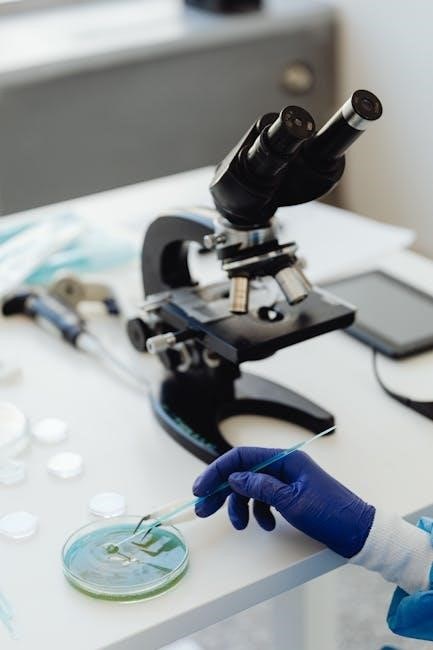
Technological advancements drive research in cell biology, enabling breakthroughs in understanding cancer, aging, and regenerative medicine. Biotechnology companies focus on cell rejuvenation, offering insights to mitigate aging-related morbidity and mortality, advancing innovative frameworks for future therapies and applications.
Advances in Cell Biology Research
Recent advancements in cell biology research focus on understanding the emergence of metazoan multicellularity through genome sequencing and phylogenetic studies. Collaborative efforts between leading societies enhance insights into developmental biology and complex organismal functions, paving the way for innovative treatments targeting cancer and age-related diseases. Breakthroughs in cell rejuvenation further advance biotechnology applications, revolutionizing the field.
Cell Biology in Biotechnology
Cell biology in biotechnology focuses on harnessing cellular processes for innovations in medicine and technology. Breakthroughs in cell rejuvenation frameworks by biotechnology companies aim to address aging-related diseases and improve health outcomes. Collaborations between scientific societies advance research in developmental biology, enhancing therapeutic applications. Genome sequencing and phylogenetic studies provide insights into multicellular organism evolution, aiding biotechnological advancements. These efforts drive the creation of novel diagnostic tools and treatments, revolutionizing the field and its applications in healthcare.
Cell Biology Education and Resources
CBSE Class 12 Biology Notes offer students efficient revision strategies for exams, while the ISC Class 12 Biology Syllabus provides a structured curriculum for comprehensive learning in cell biology.
CBSE Class 12 Biology Notes
CBSE Class 12 Biology Notes provide students with essential resources to understand cell biology concepts effectively. These notes summarize key topics such as cell structure, function, and processes. They enable efficient revision, helping students to secure high scores in their board exams. The notes align with the CBSE syllabus, ensuring comprehensive coverage of cell biology.
ISC Class 12 Biology Syllabus
The ISC Class 12 Biology Syllabus, released by the CISCE board, emphasizes comprehensivecell biology education. Topics like cell structure, function, and processes are vital, alongside genetics and cellular defense mechanisms. The syllabus fosters a strong foundation for students to excel in competitive exams. Collaborative efforts from educational bodies ensure up-to-date and relevant content, enabling students to grasp advanced concepts in cell biology effectively.
Cell biology continues to advance, offering insights into p53 gene function, stem cell potential, and cancer treatments. Understanding these mechanisms holds transformative potential for medicine and biotechnology, driving future innovations and discoveries in this vital field.
Future of Cell Biology
Cell biology is poised to revolutionize medicine through advanced genetic and biochemical research. Emerging technologies like CRISPR and genome editing will enable precise cellular modifications. Future studies will focus on understanding multicellular evolution and developmental biology, providing insights into complex organisms. Stem cell therapies and rejuvenation research hold promise for addressing aging and degenerative diseases. continued discoveries in cell biology will drive sustainable innovations, shaping the future of healthcare and biotechnology.